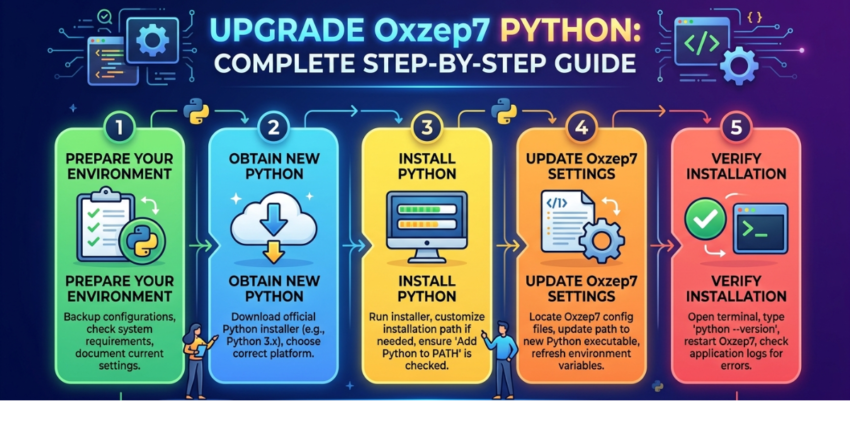
Keeping your Python environment up to date is essential for performance, security, and compatibility. If you’re working with Oxzep7 Python, upgrading to the latest version can unlock new features, fix bugs, and improve stability.
Many developers delay updates because they worry about breaking existing projects. The good news is that upgrade oxzep7 python can be done safely when you follow the right steps. In this guide, we’ll walk through the upgrade process, explain best practices, and share troubleshooting tips so you can upgrade with confidence.
Whether you’re a beginner learning Python or an experienced developer managing multiple environments, this guide will help you upgrade Oxzep7 Python smoothly.
What Is Oxzep7 Python?
Before upgrading, it’s helpful to understand what Oxzep7 Python refers to.
Oxzep7 Python typically refers to a customized or packaged Python environment used for specific development workflows. It may include:
-
Preconfigured Python libraries
-
Development tools and dependencies
-
Optimized runtime environments
-
Custom build or distribution packages
Because these environments are often bundled with dependencies, upgrading requires careful handling to avoid compatibility issues.
Why You Should Upgrade Oxzep7 Python
Updating your Python environment isn’t just about getting the newest version. It provides several practical benefits.
1. Security Improvements
New releases patch vulnerabilities that could expose applications to attacks.
2. Performance Enhancements
Modern Python versions often run faster due to interpreter improvements.
3. Library Compatibility
Many Python libraries stop supporting older versions over time.
4. Bug Fixes
Upgrades fix known issues that may affect your development workflow.
5. Access to New Features
Each Python release introduces new syntax, libraries, and improvements.
How to Upgrade Oxzep7 Python Step-by-Step
Upgrading oxzep7 python depends on how it was installed. Follow these general steps to ensure a safe update.
Step 1: Check the Current Version
Before upgrading, verify your installed version.
or
This confirms whether an upgrade is necessary.
Step 2: Backup Your Environment
Always back up your project dependencies before upgrading.
You can export installed packages with:
This allows you to reinstall the same packages later if needed.
Step 3: Upgrade Python Core
If Oxzep7 uses the system Python installation, upgrade it using the package manager.
Windows
Download the latest Python installer from:
Run the installer and choose Upgrade Now.
Linux
sudo apt upgrade python3
macOS
Using Homebrew:
brew upgrade python
Step 4: Upgrade Oxzep7 Environment
If Oxzep7 is installed through a package manager or environment tool, upgrade it directly.
Example:
Or if it uses a virtual environment:
Always check the package documentation for the correct command.
Step 5: Update Dependencies
After upgrading Python, update installed packages.
This ensures compatibility with the upgraded Python version.
Best Practices When Upgrading Python Environments
Upgrading oxzep7 python becomes much safer when you follow these best practices.
Use Virtual Environments
Tools like venv or virtualenv isolate project dependencies.
Example:
source myenv/bin/activate
Test Before Deploying
Always test your project after upgrading. Look for:
-
Import errors
-
Dependency conflicts
-
Runtime issues
Keep Dependencies Updated
Run periodic updates:
Then upgrade packages selectively.
Maintain Version Control
Use Git to track changes so you can revert if something breaks.
Common Issues When Upgrading Oxzep7 Python
Even when following best practices, developers sometimes encounter problems.
Dependency Conflicts
Some libraries may not yet support the newest Python version.
Solution:
Install compatible versions using:
Broken Virtual Environments
Upgrading Python can sometimes break older virtual environments.
Solution:
Recreate the environment and reinstall dependencies.
Path Errors
If multiple Python versions exist, the system might reference the wrong one.
Solution:
Verify your path using:
or
Tools That Make Python Upgrades Easier
Several tools simplify managing Python versions.
Pyenv
Allows multiple Python versions on one system.
Conda
Great for managing environments in data science projects.
Pipenv
Combines package management with virtual environments.
Poetry
A modern dependency management tool for Python projects.
These tools help prevent conflicts when upgrading oxzep7 python.
FAQ: Upgrade Oxzep7 Python
What is the safest way to upgrade oxzep7 python?
The safest method is to create a new virtual environment, upgrade Python, and reinstall dependencies from a requirements file.
Will upgrading Python break my existing projects?
It can if dependencies are incompatible. Always test your project after upgrading and maintain backups of your environment.
How do I check if Oxzep7 Python needs an upgrade?
Run:
This command shows packages that need updating.
Can I install multiple Python versions?
Yes. Tools like pyenv allow you to manage multiple Python versions on the same machine.
How often should Python environments be updated?
It’s generally recommended to check for updates every few months or when major security patches are released.
Conclusion
Upgrading oxzep7 python is an important step toward maintaining a secure, efficient, and modern development environment. While the process may seem intimidating at first, following a structured approach—checking your version, backing up dependencies, upgrading safely, and testing afterward—makes it straightforward.
Regular updates ensure you benefit from Python’s latest improvements while keeping your projects compatible with modern libraries. If you manage multiple environments, tools like pyenv, pipenv, or conda can simplify the process even further.