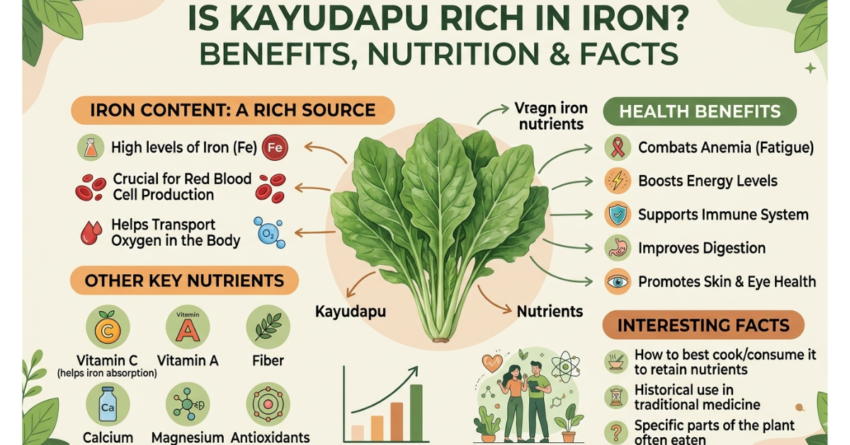
Iron is one of the most important minerals your body needs, yet many people struggle to get enough of it through diet. Recently, people have started asking an interesting question: is kayudapu rich in iron? If you’ve come across this food and wondered about its nutritional value, you’re not alone.
Kayudapu is known in some regions as a traditional plant-based food used in local diets and natural remedies. While it may not be widely discussed in mainstream nutrition guides, it has gained attention for its potential mineral content—particularly iron and other essential nutrients. In this guide, we’ll explore whether kayudapu is rich in iron, its nutritional profile, health benefits, and how it can fit into a healthy diet.
What Is Kayudapu?
Kayudapu is a plant-derived food ingredient used in certain traditional cuisines and herbal practices. Depending on the region, the name may refer to a specific edible plant part such as leaves, seeds, or a processed plant product.
In many traditional diets, foods like kayudapu are valued because they provide:
-
Natural minerals
-
Plant-based nutrients
-
Dietary fiber
-
Antioxidants
Because of this, people often explore it as a natural source of iron and other micronutrients.
Is Kayudapu Rich in Iron?
The short answer is: kayudapu may contain iron, but the amount can vary depending on the plant source and preparation method.
Plant-based foods often contain non-heme iron, which is the type of iron found in vegetables, seeds, grains, and legumes. While non-heme iron is not absorbed as easily as the iron found in meat, it still contributes significantly to daily iron intake.
Possible Iron Content Factors
The iron level in kayudapu can depend on several factors:
-
Plant species the name refers to
-
Soil quality where the plant is grown
-
Processing method (fresh, dried, powdered)
-
Serving size
In many cases, traditional plant foods similar to kayudapu provide moderate amounts of iron, making them helpful additions to diets that rely on plant-based nutrition.
Nutritional Profile of Kayudapu
Although exact values may differ by source, foods similar to kayudapu typically contain a variety of nutrients.
| Nutrient | Potential Benefit |
| Iron | Supports red blood cell production |
| Fiber | Aids digestion and gut health |
| Antioxidants | Helps fight oxidative stress |
| Vitamins | Supports overall health |
| Plant compounds | May support immunity |
These nutrients make kayudapu a nutritionally supportive food, especially when included as part of a varied diet.
Health Benefits of Kayudapu
1. May Support Iron Intake
If kayudapu is rich in iron, it can help support healthy hemoglobin levels. Iron is essential for:
-
Oxygen transport in the blood
-
Energy production
-
Preventing fatigue
People following vegetarian or plant-based diets often look for foods like kayudapu to boost iron intake naturally.
2. May Help Prevent Iron Deficiency
Iron deficiency is one of the most common nutritional deficiencies worldwide. Including iron-containing plant foods such as kayudapu may help reduce the risk of:
-
Fatigue
-
Weakness
-
Anemia
However, it works best when paired with vitamin C-rich foods, which improve iron absorption.
3. Supports Digestive Health
Many traditional plant foods contain dietary fiber, which can support:
-
Healthy digestion
-
Gut microbiome balance
-
Regular bowel movements
4. Provides Natural Antioxidants
Some varieties of kayudapu may contain plant antioxidants, which help protect cells from oxidative stress and inflammation.
How to Increase Iron Absorption From Kayudapu
If you include kayudapu in your diet for its potential iron benefits, there are simple ways to boost iron absorption.
Helpful Tips
-
Eat it with vitamin C foods like oranges, tomatoes, or lemons.
-
Avoid drinking tea or coffee immediately after meals, as they can reduce iron absorption.
-
Pair it with other iron-rich foods such as beans, lentils, or leafy greens.
Other Iron-Rich Plant Foods to Combine With Kayudapu
If you’re trying to improve iron intake naturally, consider combining kayudapu with these foods:
-
Spinach
-
Lentils
-
Chickpeas
-
Pumpkin seeds
-
Tofu
-
Quinoa
This combination can help create a nutrient-dense, iron-supporting meal.
Who Should Consider Iron-Rich Foods?
Iron-rich foods like kayudapu may be especially beneficial for:
-
Vegetarians and vegans
-
Women of reproductive age
-
Pregnant women
-
People with low iron levels
However, individuals with medical conditions should always consult a healthcare professional before making dietary changes.
FAQs
1. Is kayudapu rich in iron compared to spinach?
Spinach is a well-known iron-rich vegetable. Kayudapu may contain iron, but the exact comparison depends on the specific plant source and how it’s prepared.
2. Is kayudapu good for anemia?
Kayudapu may contribute to iron intake, which is important for preventing iron deficiency anemia. However, it should be part of a balanced diet that includes multiple iron sources.
3. Is the iron in kayudapu easily absorbed?
Like most plant foods, kayudapu likely contains non-heme iron, which is absorbed less efficiently than animal-based iron. Eating it with vitamin C can improve absorption.
4. Can vegetarians rely on kayudapu for iron?
Vegetarians can include kayudapu along with other iron-rich foods such as lentils, beans, seeds, and leafy greens to meet their daily iron needs.
5. How can kayudapu be added to meals?
Depending on the preparation, kayudapu may be added to:
-
Soups
-
Vegetable dishes
-
Herbal preparations
-
Traditional recipes
Conclusion
So, is kayudapu rich in iron? The answer depends on the specific plant and preparation, but it can potentially contribute to your iron intake, especially as part of a plant-based diet. While it may not replace well-known iron sources like lentils or spinach, kayudapu can still play a supportive role in maintaining healthy nutrition.
The key is balance. Pair kayudapu with vitamin C-rich foods and other iron sources to maximize its nutritional benefits. Over time, small dietary additions like this can make a meaningful difference in overall health.