Software systems that manage complex tasks rarely come together overnight. They are carefully planned, designed, coded, and tested before reaching users. One system that often sparks curiosity among developers and tech enthusiasts is how HCS 411GITS software built and the technology behind it.
Understanding how HCS 411GITS software is built helps explain its functionality, reliability, and performance. From system architecture to programming frameworks and deployment processes, the development involves multiple stages and technologies. In this guide, we’ll break down the entire development workflow in a clear, practical way so even non-developers can understand how the system is created.
What Is HCS 411GITS Software?
Before diving into how HCS 411GITS software built, it helps to understand what the software actually is.
HCS 411GITS typically refers to a software platform or system module designed to handle structured data processing, system integration, and task automation within an organizational environment. Systems like this are often used in:
-
Institutional management platforms
-
Government or enterprise IT systems
-
Data tracking and reporting environments
-
Workflow automation platforms
While exact implementations vary, the core design usually follows modern enterprise software architecture principles.
Core Technologies Used to Build HCS 411GITS Software
Building a system like HCS 411GITS requires several technologies working together.
1. Programming Languages
Most enterprise-grade systems rely on stable and scalable programming languages such as:
-
Java – widely used for backend enterprise systems
-
Python – often used for data processing and automation
-
JavaScript – used for frontend user interfaces
-
C# / .NET – sometimes used for enterprise applications
The choice depends on the system environment and performance requirements.
2. Backend Frameworks
Backend frameworks help developers structure the logic and functionality of the software.
Common frameworks used in similar systems include:
-
Spring Boot (Java)
-
Django (Python)
-
Node.js / Express
-
ASP.NET
These frameworks provide tools for:
-
Database communication
-
Authentication systems
-
API creation
-
Security layers
3. Frontend Development
The user interface is the part users interact with directly.
Developers often use:
-
React
-
Angular
-
Vue.js
-
HTML5 / CSS3
Frontend frameworks make the system responsive, fast, and user-friendly.
Step-by-Step Process: How HCS 411GITS Software Built
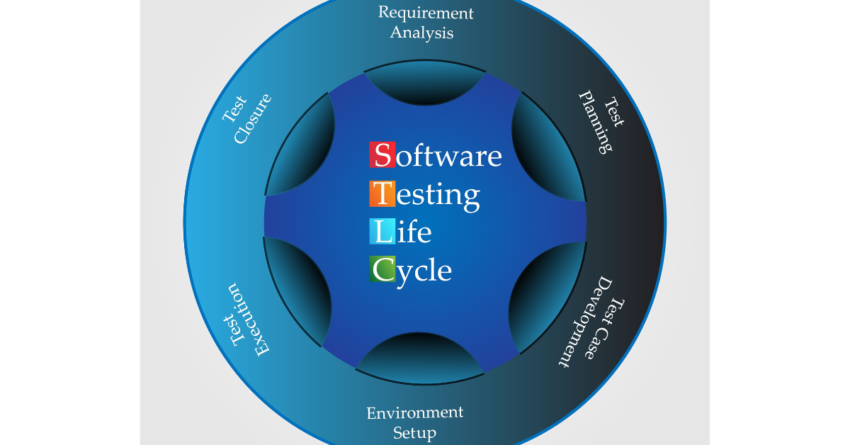
Understanding how HCS 411GITS software built requires looking at the development lifecycle.
1. Requirement Analysis
Every software project begins with understanding the problem it needs to solve.
This stage includes:
-
Gathering stakeholder requirements
-
Defining system features
-
Identifying user roles
-
Planning security needs
Developers document everything in Software Requirement Specifications (SRS).
2. System Architecture Design
Next comes designing the system structure.
Developers define:
-
Application architecture
-
Database structure
-
System modules
-
Data flow between components
Most enterprise systems follow architectures such as:
-
Client–Server architecture
-
Microservices architecture
-
Layered architecture
3. Database Design
Data management is a major component of HCS 411GITS software.
Common databases include:
-
MySQL
-
PostgreSQL
-
MongoDB
-
Oracle Database
Key tasks include:
-
Designing database schemas
-
Creating tables and relationships
-
Implementing indexing for performance
4. Backend Development
Once the architecture and database are ready, developers start coding the backend logic.
This stage includes:
-
Writing APIs
-
Handling authentication
-
Managing business logic
-
Connecting to databases
Backend development ensures the system processes requests correctly.
5. Frontend Interface Development
Now developers build the graphical interface users interact with.
Tasks include:
-
Designing dashboards
-
Creating forms and input systems
-
Integrating APIs
-
Improving responsiveness for mobile devices
A good UI makes the system easy to use and efficient.
6. Integration and Testing
Testing is critical in ensuring the software works reliably.
Common testing methods include:
-
Unit Testing – testing individual functions
-
Integration Testing – verifying modules work together
-
System Testing – evaluating the full application
-
User Acceptance Testing UAT
Developers fix bugs and optimize performance during this stage.
7. Deployment and Implementation
Once testing is complete, the software is deployed to production servers.
Deployment methods may include:
-
Cloud platforms (AWS, Azure, Google Cloud)
-
Dedicated enterprise servers
-
Containerized systems using Docker or Kubernetes
After deployment, users can access the system through a web portal or application interface.
Key Features of HCS 411GITS Software
Although features vary depending on implementation, typical capabilities include:
-
Centralized data management
-
Automated workflow processing
-
Secure user authentication
-
Reporting and analytics tools
-
Role-based access control
-
System integration with other platforms
These features make the system useful for organizations handling large volumes of structured data.
Tools Used During Development
Developers use several tools when building systems like HCS 411GITS.
Development Tools
-
Visual Studio Code
-
IntelliJ IDEA
-
Eclipse
Version Control
-
Git
-
GitHub or GitLab
Project Management
-
Jira
-
Trello
-
Asana
These tools help teams collaborate efficiently and maintain code quality.
Security Measures in HCS 411GITS Software
Security is a top priority when developing enterprise software.
Developers implement:
-
Encryption protocols
-
Multi-factor authentication
-
Secure APIs
-
Access control systems
-
Regular security audits
These protections help safeguard sensitive organizational data.
Challenges When Building HCS 411GITS Software
Developing complex software systems isn’t always straightforward.
Common challenges include:
-
Integrating with legacy systems
-
Managing large data volumes
-
Ensuring system scalability
-
Maintaining strong cybersecurity
-
Coordinating large development teams
Experienced developers overcome these issues through careful planning and testing.
Future Improvements and Upgrades
Modern enterprise software is constantly evolving. Future updates to systems like HCS 411GITS may include:
-
AI-driven data analysis
-
Advanced automation features
-
Improved cloud scalability
-
Enhanced cybersecurity frameworks
-
Real-time data processing
These improvements help organizations operate more efficiently.
FAQs
What does HCS 411GITS software do?
HCS 411GITS software typically manages structured workflows, data processing, and system integration for organizations or institutional platforms.
What programming language is used to build HCS 411GITS software?
The software can be built using several languages such as Java, Python, C#, and JavaScript, depending on the system architecture.
Is HCS 411GITS software cloud-based?
Many modern implementations are cloud-based, allowing organizations to access the system remotely while ensuring scalability and security.
How long does it take to build software like HCS 411GITS?
Development timelines vary, but building a fully functional enterprise system can take several months to over a year, depending on complexity.
Can HCS 411GITS software integrate with other systems?
Yes. Most enterprise platforms support API integration, allowing them to connect with databases, reporting tools, and third-party services.
Conclusion
Understanding how HCS 411GITS software built provides insight into the complex process behind modern enterprise applications. From requirement analysis and architecture design to coding, testing, and deployment, every stage plays an important role in creating a reliable system.
The combination of robust programming languages, powerful frameworks, structured databases, and rigorous security measures ensures that platforms like HCS 411GITS operate efficiently in demanding environments.
If you’re interested in enterprise software development, exploring systems like this is a great way to understand how large-scale digital platforms are created and maintained.